Type 2 Ambulance
Ambulance
Basic transport unit with essential medical equipment for patient stabilization
Gurkha Tsn
Emergency Vehicles

Emergency Units

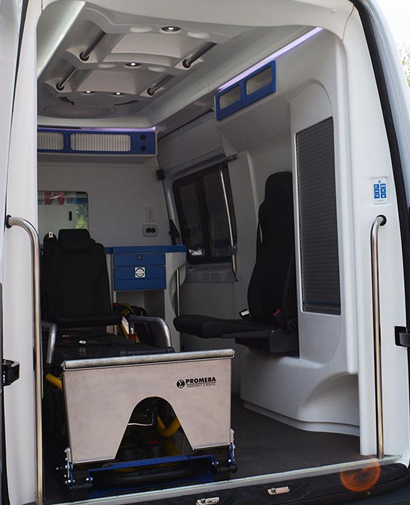
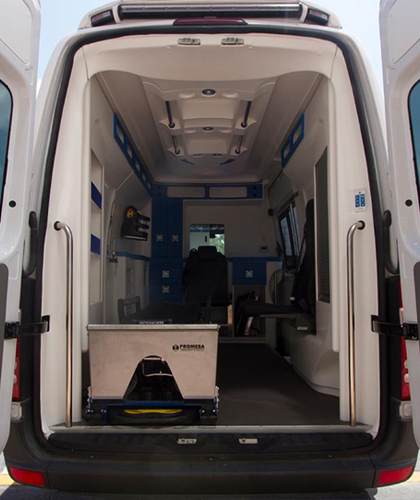
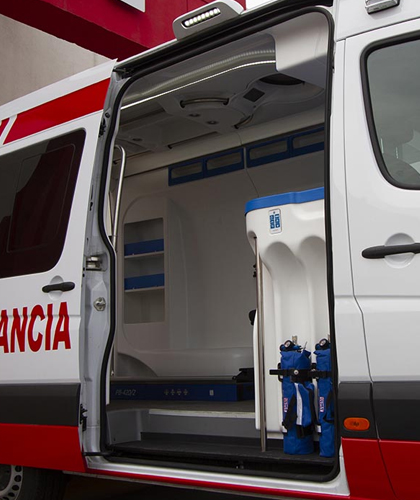
Our TSN Ambulance has features that have been used in a detailed finite element model. The process is verified by the stresses it must withstand with an acceleration impulse of 10G in amplitude and an average duration of 100 mIL / sec., with impact speeds between 30 and 32 km / h. The sanitary area has been designed to take advantage of most of the available space while complying with the dimensions indicated by regulations.

The structural reinforcements are made of galvanized metal profiles to ensure better fastening at the designated furniture mounting points.
Emergency Vehicles

About Ambulances

Interior Design

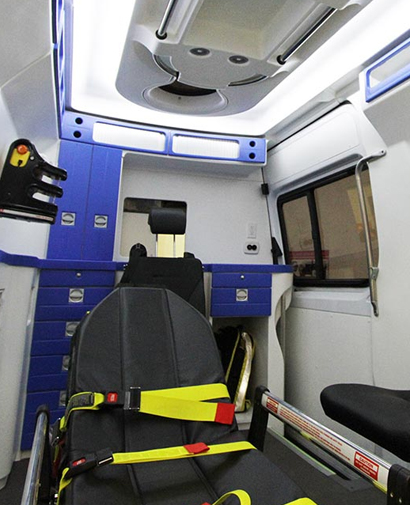
Optimal use of space and maximum conversion weight that does not exceed the unit manufacturer’s recommendations. Structural and coating materials provide resistance, mechanical strength and rigidity, stress tolerance under temperature changes, and resistance to chemical agents.

Electrical Equipment

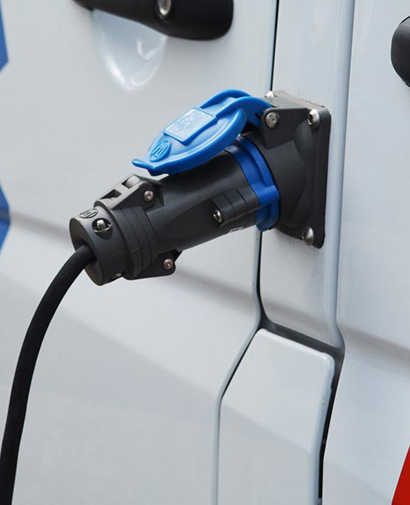
Master switch that isolates the electrical system of the conversion Auxiliary control panels for lighting at the side and rear doors Power inverter Battery charger 110V power outlets Smart battery indicator 12V outlet in the medical care cabin Two USB connections in the medical care cabin

Conversion Structure

It is reinforced with steel and structural aluminum, and bonded with special adhesives and mechanical fasteners that preserve the vehicle manufacturer’s warranty. Interior linings and furniture are mounted on this structure in a way that prevents the risk of detachment that could endanger occupants.

Unit Lighting

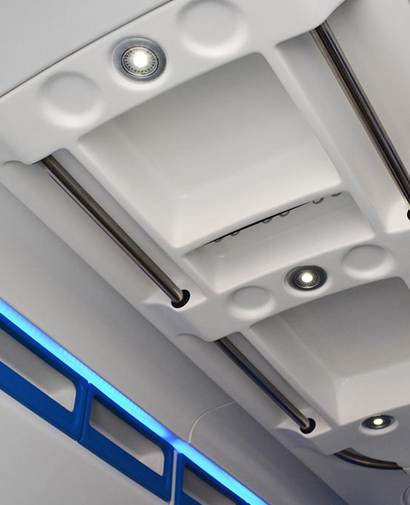
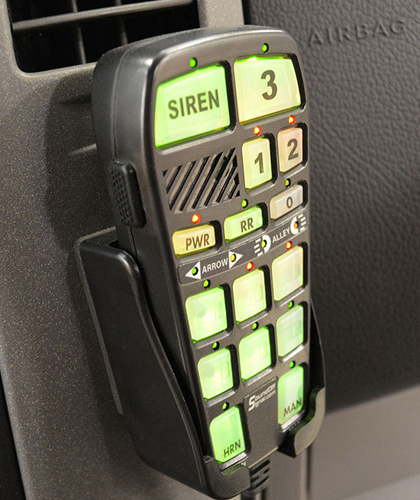
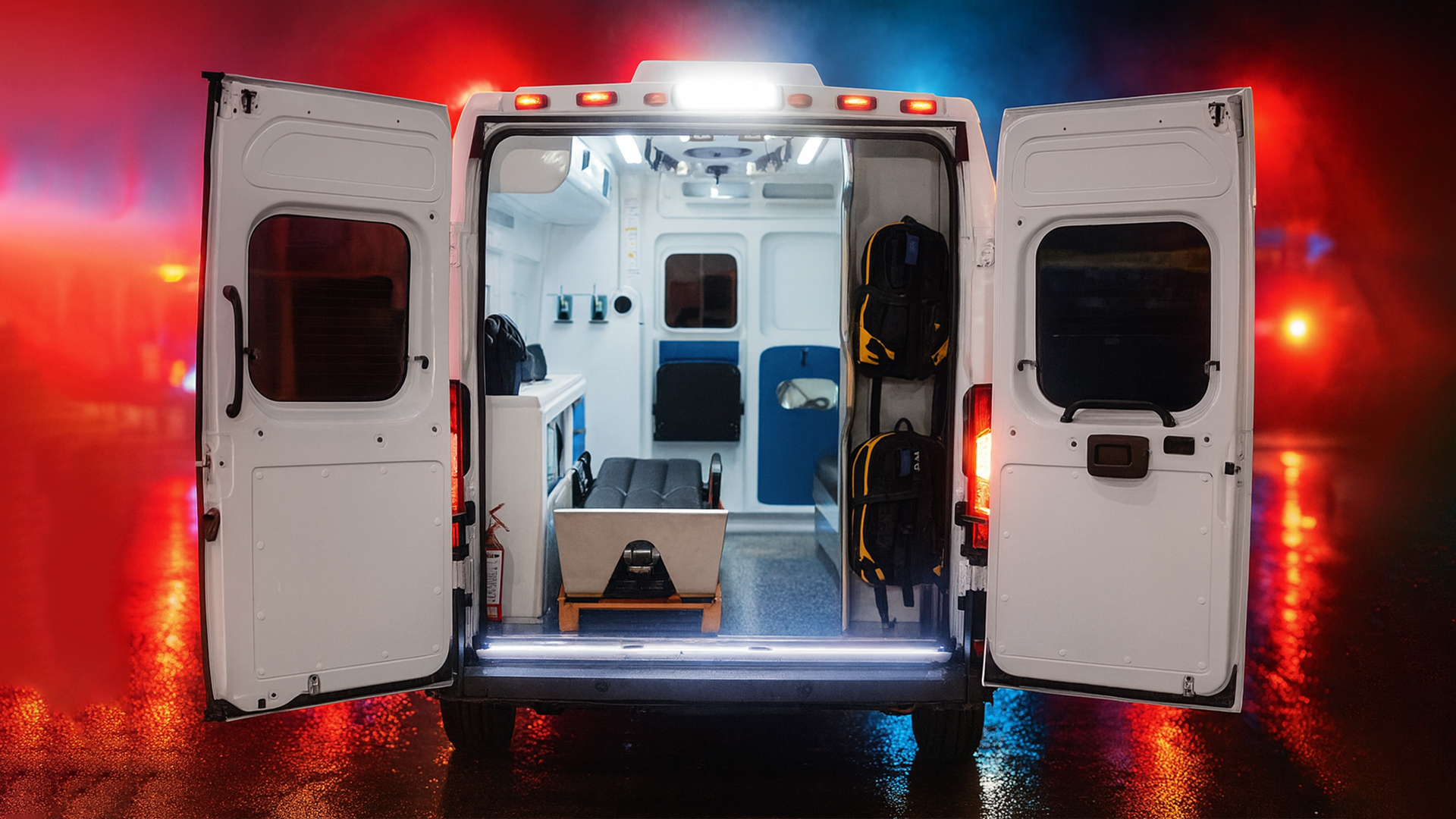
Interior: LED-based lighting system that allows intensity control and adjustment to meet the various needs of the work team and the patient inside the medical cabin. Exterior: Features two types of lighting: perimeter lights for scene illumination, and emergency lights and siren for service operation.

Control System

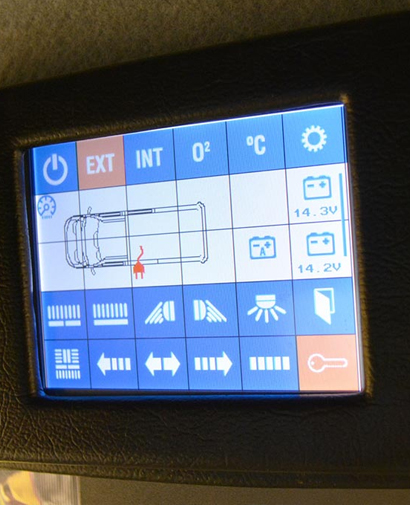
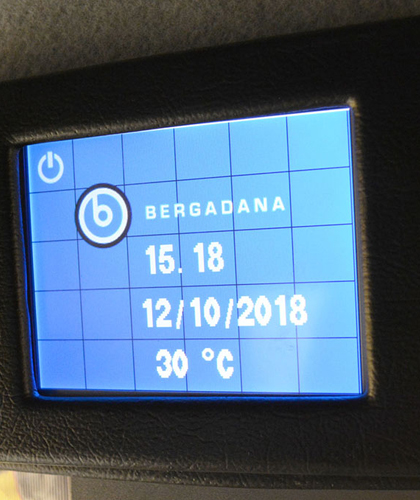
Two touch screens allow management, monitoring, and control of the ambulance systems. One is located in the medical section and the other in the driving area, facilitating operation.

Oxygen System

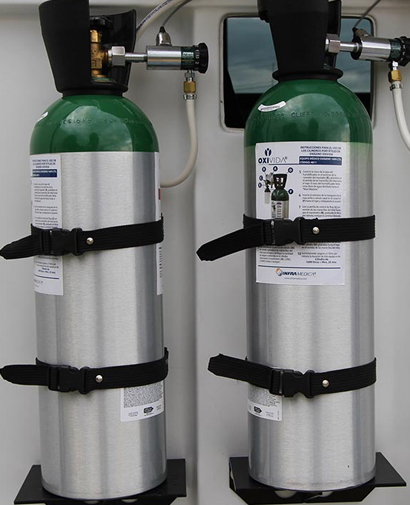
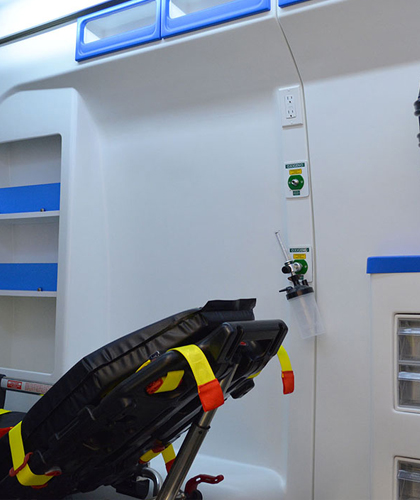
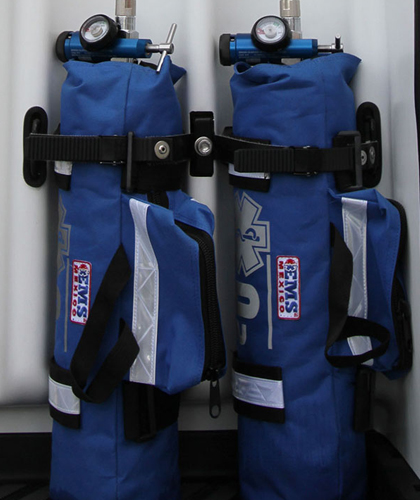
It includes two oxygen tanks of 1,699 liters each, facilitating maneuverability, a high-pressure gauge in a distribution system, and a flowmeter output from 2 to 15 liters per minute. The digital system allows measurement and monitoring of oxygen levels from the unit’s touch screens.

Headphones
Smart Lighting
Headphones
Alternative Power Source
Headphones
Ergonomic and Organized Design
Headphones
Configurable Compartments
Headphones
Configurable Seats
Headphones
Configurable Sanitary Area
Headphones
Configurable Climate Control
Headphones
Partition Divider
Headphones
Smart Flooring

More info

Scroll
Subir
Scroll